
What Are You Looking For?
As winter approaches and temperatures begin to drop, your vehicle faces new challenges. Cold weather, frost, snow, and freezing rain can affect various automotive components, including rubber door seals and window weatherstripping.
Over time, exposure to changing temperatures, sunlight, and moisture can cause old automotive seals to harden, crack, loosen, or lose their elasticity. Damaged seals may allow cold air and moisture to enter your vehicle, reducing driving comfort and potentially causing other problems.
Replacing worn-out seals with high-quality, cold-resistant automotive weatherstripping is an effective way to prepare your vehicle for winter.
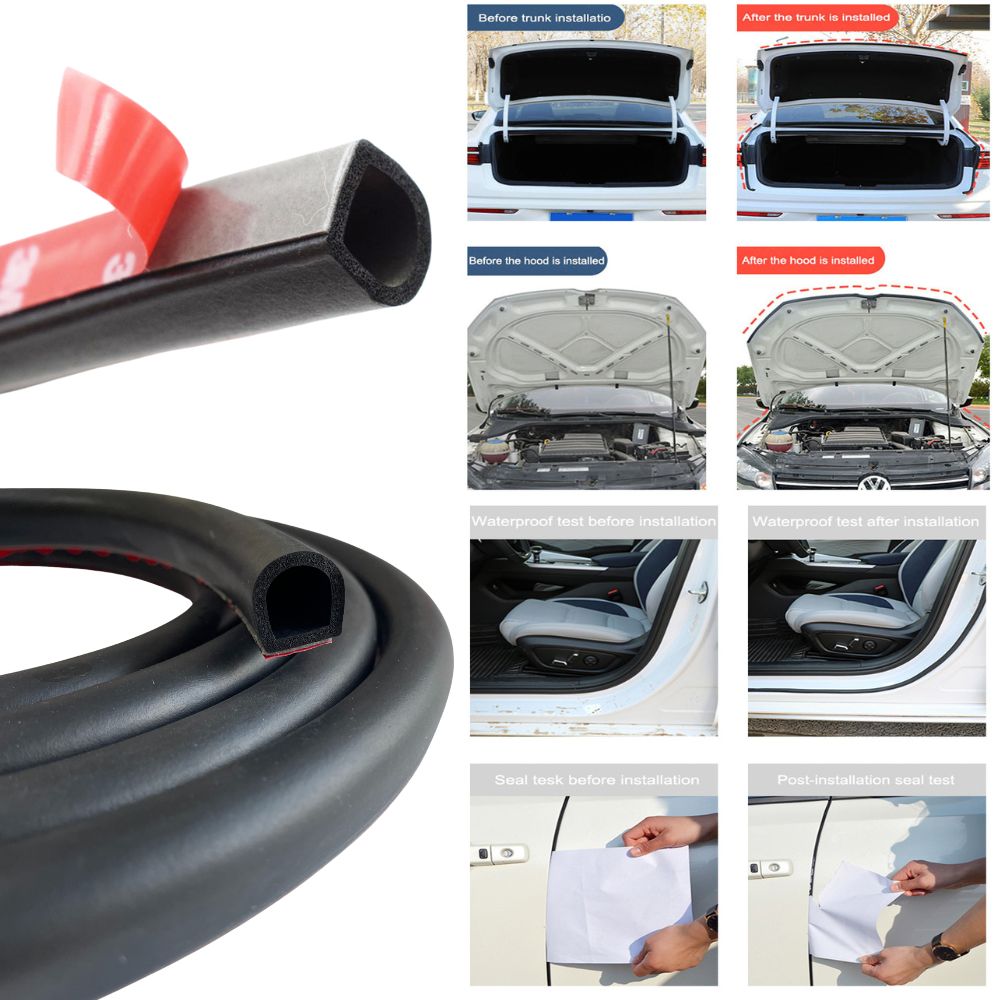
Automotive rubber seals play an important role in protecting vehicles against wind, rain, dust, and outside noise. However, prolonged exposure to harsh weather conditions can gradually reduce their performance.
Here are some common problems that occur during winter:
Cracking and Hardening
As temperatures decrease, some rubber materials become less flexible. Older seals that have already lost their elasticity may become harder and more likely to crack, especially when exposed to repeated temperature changes.
Loose or Deformed Seals
After years of use, automotive weatherstripping may shrink, deform, or become loose. Cold weather can make these existing problems more noticeable, reducing the seal's ability to maintain proper contact with the vehicle body.
Cold Air and Water Leakage
Damaged door and window seals may allow cold air, rainwater, melting snow, and moisture to enter the vehicle. This can make the cabin less comfortable and increase the risk of unwanted moisture inside the car.
Increased Wind Noise
When seals lose their flexibility or no longer fit tightly, outside air can pass through small gaps around doors and windows. This may lead to increased wind noise while driving.
If your vehicle has any of these problems, it may be time to inspect and replace the worn automotive seals before winter arrives.
Regular inspection helps identify damaged seals before cold weather becomes severe.
Look for these warning signs:
Visible cracks, tears, or splits in the rubber.
Rubber seals that feel hard, brittle, or less elastic.
Door seals that have become loose, shrunken, or deformed.
Cold air entering through the edges of doors or windows.
Water leaking into the vehicle after rain or snow.
Increased wind noise when driving at higher speeds.
Door or window seals that no longer make consistent contact with the surrounding surfaces.
If you notice these symptoms, replacing the damaged weatherstripping can help restore the sealing performance of your vehicle.
Choosing the right material is essential when replacing automotive seals for winter use. A suitable cold-resistant sealing strip should maintain its flexibility and sealing performance under low-temperature conditions.
High-quality cold-resistant rubber compounds are designed to remain flexible in cold environments. Better flexibility helps the seal maintain contact with the vehicle body and reduces the risk of performance loss caused by low temperatures.
Automotive weatherstripping helps block wind, dust, rain, and moisture from entering through gaps around doors, windows, trunks, and other vehicle openings.
A quality sealing strip should compress when the door or window closes and recover its shape afterward. Good elastic recovery helps maintain consistent contact and supports long-term sealing performance.
Automotive seals are exposed to repeated opening and closing, friction, moisture, and changing weather conditions. Durable materials help extend service life and reduce the frequency of replacement.
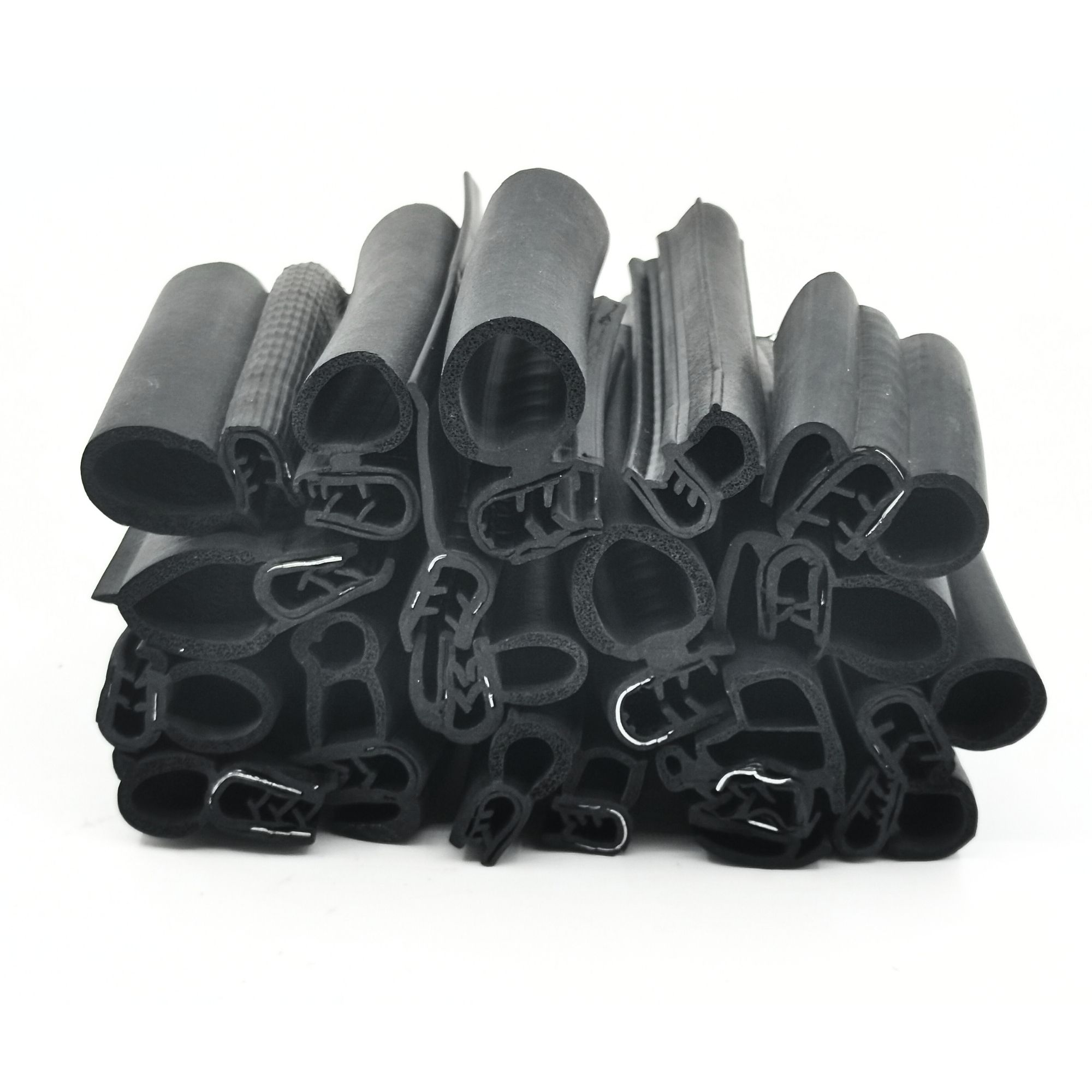
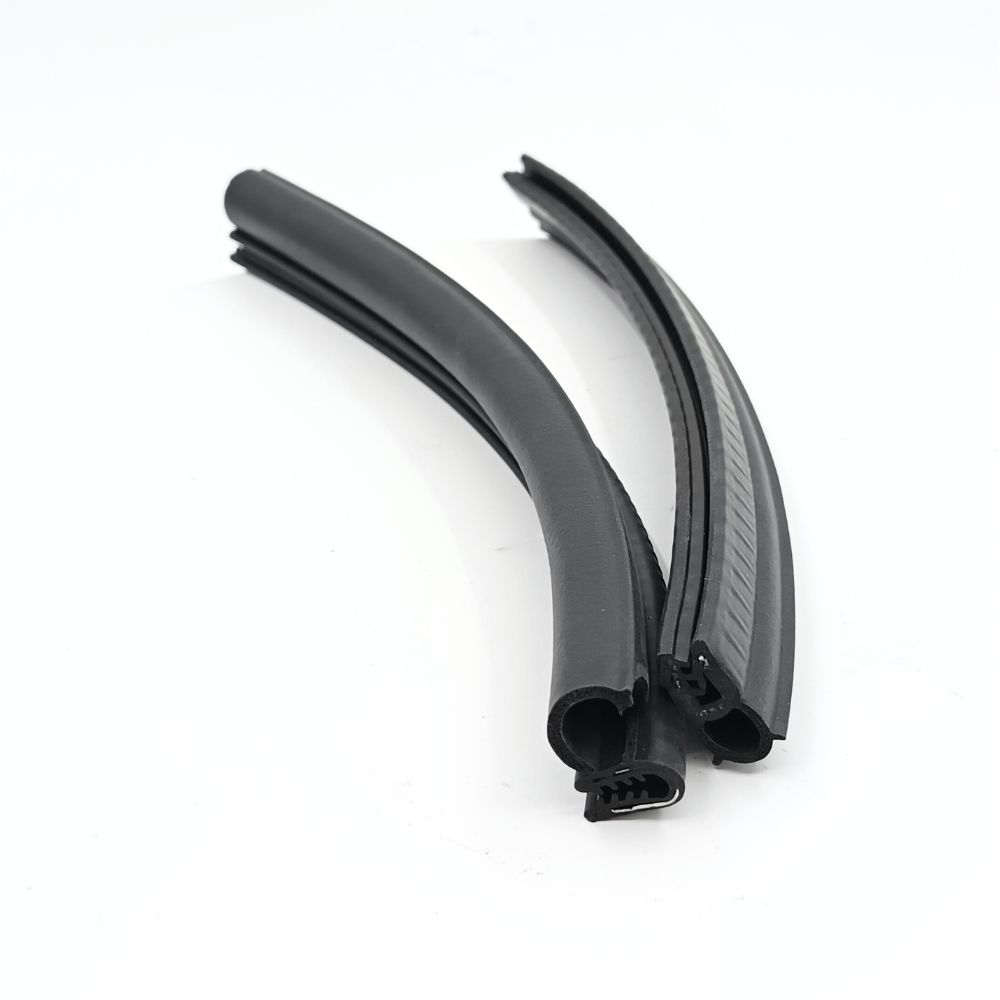
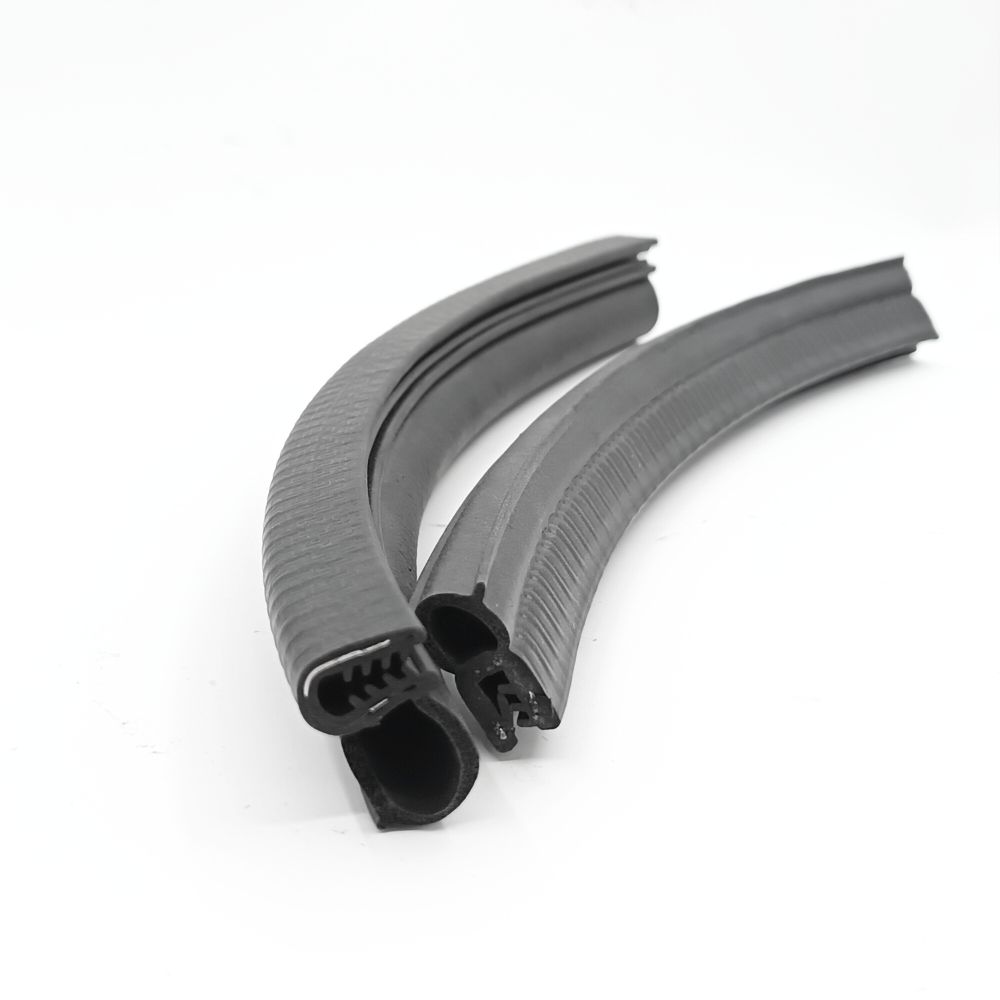
Different vehicles and applications require different sealing profiles. Customizable automotive rubber seals allow buyers to select suitable shapes, dimensions, materials, and designs according to their specific requirements.
Important: Low-temperature performance varies depending on the material formulation and product design. Always confirm the recommended operating temperature range and relevant test results before selecting a seal for extreme winter conditions.
Different types of automotive seals serve different purposes.
Car Door Sealing Strips
Car door seals help reduce wind noise and prevent water, dust, and cold air from entering through the gaps between the doors and the vehicle body.
Car Window Rubber Seals
Window weatherstripping helps maintain a tight fit around vehicle windows while protecting against wind, rain, and moisture.
Car Trunk Seals
Trunk sealing strips help protect the luggage compartment from rainwater, dust, and outside air. Replacing worn trunk seals can help maintain a cleaner and drier storage area.
EPDM Rubber Sealing Strips
EPDM rubber is widely used in automotive weatherstripping because of its resistance to weathering, ozone, and moisture. Properly formulated EPDM compounds can also provide good low-temperature flexibility, making them a practical option for many automotive sealing applications.
Custom Rubber Seals
For specialized vehicles and automotive components, custom rubber profiles can be manufactured according to drawings, samples, dimensions, or application requirements.
Selecting the appropriate seal depends on the installation location, required compression, operating temperature, and environmental conditions.
The best time to inspect and replace worn automotive weatherstripping is before temperatures drop significantly.
Replacing damaged seals in autumn can help prepare your vehicle for winter and avoid dealing with sealing problems during freezing weather.
Before winter begins, check the following areas:
Front and rear door seals.
Window weatherstripping.
Trunk and tailgate seals.
Other rubber sealing points exposed to rain, snow, and cold temperatures.
When replacing automotive seals, clean the installation surface and ensure the new strip matches the original profile and dimensions. Follow the manufacturer's installation instructions to achieve proper adhesion, compression, and sealing performance.
Choosing a reliable manufacturer is important for distributors, wholesalers, automotive parts suppliers, and other B2B buyers.
At Xingtai Jinhu Technology Co., Ltd., we specialize in the production and development of rubber sealing products. We supply EPDM rubber seals, PVC sealing strips, silicone seals, and other customizable sealing solutions for automotive and industrial applications.
Our products are suitable for various sealing requirements, including car doors, windows, trunks, and other applications where reliable sealing performance is essential.
Our Advantages
Factory-direct wholesale pricing.
Customizable shapes, sizes, and material options.
Solutions based on customer drawings, samples, or specifications.
Bulk orders for distributors and importers.
Professional support for product selection and customization.
We welcome inquiries from global wholesalers, importers, distributors, and automotive parts businesses looking for reliable sealing strip suppliers.
Contact us to discuss your requirements and find suitable automotive sealing solutions for your market.
If you need anything, please contact us,Customized different size/color/shape rubber/pvc products, making molds depending on your samples or drawings. FREE SAMPLES can be sent for your evaluation!
Over 20 years Professional Experience in Auto Accessories Field





 IPv6 network supported