
What Are You Looking For?

Blind path tiles, also known as tactile paving tiles or detectable warning surfaces, are specialized flooring solutions designed to assist visually impaired individuals in navigating public spaces safely and independently. These textured surfaces feature raised patterns that can be detected by cane or underfoot, providing essential orientation and hazard warnings in both indoor and outdoor environments.
Material Options: PVC, ABS, and TPE
Modern tactile tiles are manufactured from various durable polymers, each offering distinct advantages for specific applications:
PVC (Polyvinyl Chloride) tiles are widely used for indoor installations due to their cost-effectiveness and ease of installation. PVC tactile paving is typically mounted by adhering to smooth surfaces like linoleum, ceramic tile, or concrete using two-component adhesive or double-sided tape. These tiles offer wear resistance under heavy loads, anti-slip surfaces, and can be cleaned with standard cleaning agents. Standard dimensions are 300mm x 300mm with tactile indicators elevated approximately 4mm above the surface.
ABS (Acrylonitrile Butadiene Styrene) represents the most durable and cost-effective choice for outdoor applications. ABS tactile tiles feature cast-in-place installation and exceptional weather resistance, making them ideal for long-term use in smart city projects, public pathways, parks, and railway platforms. Their robust construction withstands heavy pedestrian traffic and harsh environmental conditions without compromising tactile integrity.
TPE (Thermoplastic Elastomer) and TPU (Thermoplastic Polyurethane) offer superior flexibility and performance characteristics. TPE/TPU tactile tiles provide excellent anti-slip properties, high strength, and wear resistance while maintaining flexibility for various installation surfaces. TPU molecular structure creates rigid blocks combined with flexible segments, resulting in high tension strength, water resistance, and aging resistance—making these materials suitable for both indoor and outdoor applications requiring premium performance.
Installation Options: Adhesive vs. Non-Adhesive
Tactile tiles are available with two primary installation methods to accommodate different project requirements:
Self-Adhesive Backing provides quick, drill-free installation using butyl or tissue tape. This method is particularly advantageous for indoor applications or retrofit projects where minimal surface disruption is desired. The adhesive backing allows for immediate installation on properly prepared surfaces, reducing labor costs and installation time significantly. Polyurethane tiles with self-adhesive options are ideal for indoor/outdoor accessibility paths where fast deployment is prioritized.
Non-Adhesive Installation involves traditional fixing methods using cement, two-component adhesives, or mechanical fasteners. This approach is recommended for permanent outdoor installations, high-traffic areas, or surfaces requiring maximum durability. ABS tiles typically use cast-in-place or cement-fixed installation, while metal tiles may employ screw mounting or VHB tape for maximum stability.
Design Types and Patterns
Tactile tiles feature internationally standardized patterns that communicate specific information:
Warning Tiles (Type B) utilize raised domes or dots to alert visually impaired individuals to potential hazards, platform edges, intersections, or areas requiring caution. The distinct circular pattern indicates "stop" or "attention" zones where care should be taken before proceeding.
Directional Tiles (Type C) employ raised bars, stripes, or linear patterns to guide users along safe pathways. These tiles indicate the direction of movement and help maintain orientation along designated pedestrian routes.
Standard tile dimensions are 300mm × 300mm with thickness ranging from 3mm (base) to 7.5mm (total height including raised patterns). The modular square design allows infinite configuration possibilities and can be precisely cut to accommodate unusual ground layouts and architectural features.
Color Standards and Visual Contrast
While tactile function remains paramount, visual contrast plays a crucial role for partially sighted individuals. The standard color palette includes:
- Yellow: Provides maximum contrast against dark surfaces like asphalt, concrete, or indoor flooring
- Grey: Offers subtle integration with modern architectural aesthetics while maintaining sufficient contrast
- Black: Occasionally used for specific design requirements
Color selection is critical for creating inclusive environments that serve both blind and partially sighted populations. High-contrast colors help delineate edges and hazards for those with residual vision.
Applications: Indoor and Outdoor Public Spaces
Blind path tiles serve diverse environments where accessible navigation is essential:
Indoor Applications include subway/metro stations, airport terminals, shopping malls, hospitals, schools, universities, government buildings, office complexes, and residential facilities. These locations benefit from adhesive-mounted PVC or PU tiles that provide clear guidance without compromising interior aesthetics.
Outdoor Applications encompass sidewalks, pedestrian crossings, public parks, railway platforms, bus stops, parking areas, and smart city infrastructure. ABS tiles excel in these demanding environments, offering weatherproof performance and UV resistance for long-term durability.
Key Performance Features
Modern tactile tiles incorporate numerous safety and durability characteristics:
- Anti-Slip Surface: Textured patterns provide optimal traction, reducing fall risk even in wet conditions
- Weather Resistance: UV-resistant formulations prevent color fading and material degradation in outdoor installations
- Wear Resistance: High-strength materials maintain tactile integrity under heavy foot traffic
- Flame Retardant: Some materials offer fire-resistant properties for enhanced safety
- Anti-Bacterial: Hygienic properties make them suitable for healthcare and educational environments
- Easy Maintenance: Surfaces can be cleaned with standard cleaning agents without affecting performance
Compliance and Standards
Quality tactile tiles conform to established accessibility standards including:
- ISO 23599:2019: International standard for tactile paving surface indicators
- ADA Guidelines: Americans with Disabilities Act requirements for detectable warnings
- National Standards: Regional specifications such as CPWD and BIS in India
Compliance ensures consistent tactile rise height, pattern spacing, and visual contrast requirements that optimize detectability for cane users while accommodating wheelchair mobility.
Installation Requirements
Successful installation demands proper surface preparation:
1. Ground must be flat, free of sand, oil stains, and cracks
2. Moisture content should not exceed 3%
3. Ambient temperature should be minimum 15°C during installation
4. Tiles should acclimate on-site for 24+ hours to restore material memory
These conditions ensure optimal adhesive performance and long-term tile stability.
Conclusion
Blind path tiles represent a critical investment in universal accessibility, transforming public spaces into inclusive environments where visually impaired individuals can navigate with confidence and independence. Whether selecting PVC for cost-effective indoor applications, ABS for durable outdoor installations, or TPE/TPU for premium performance, specifiers must consider traffic patterns, environmental conditions, installation methods, and regulatory compliance. With standard 300mm × 300mm dimensions, choice of adhesive or non-adhesive backing, and classic yellow or grey color options, these tactile solutions provide essential orientation cues while seamlessly integrating into diverse architectural contexts. By implementing properly designed tactile paving systems, communities demonstrate commitment to safety, accessibility, and social inclusion for all citizens.
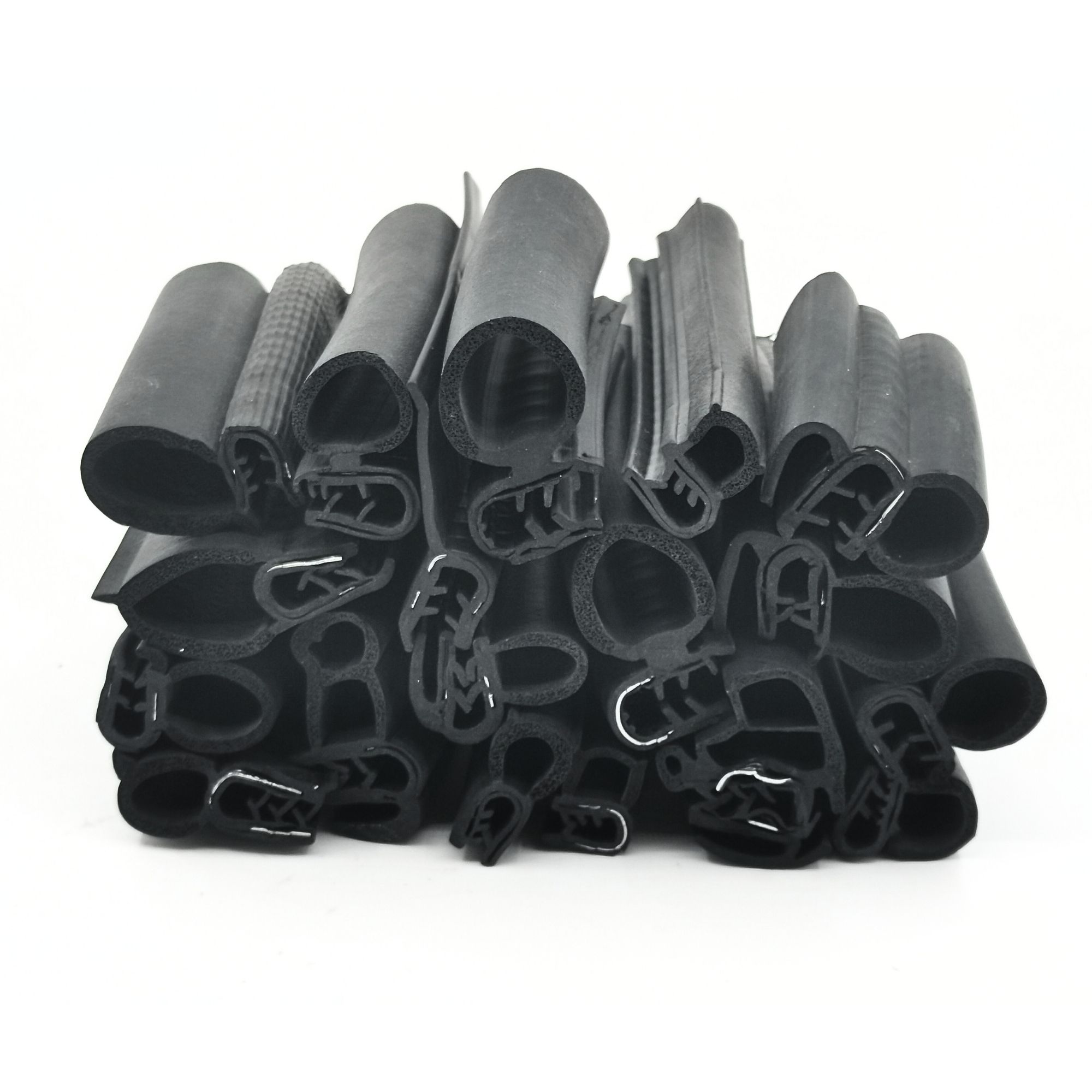
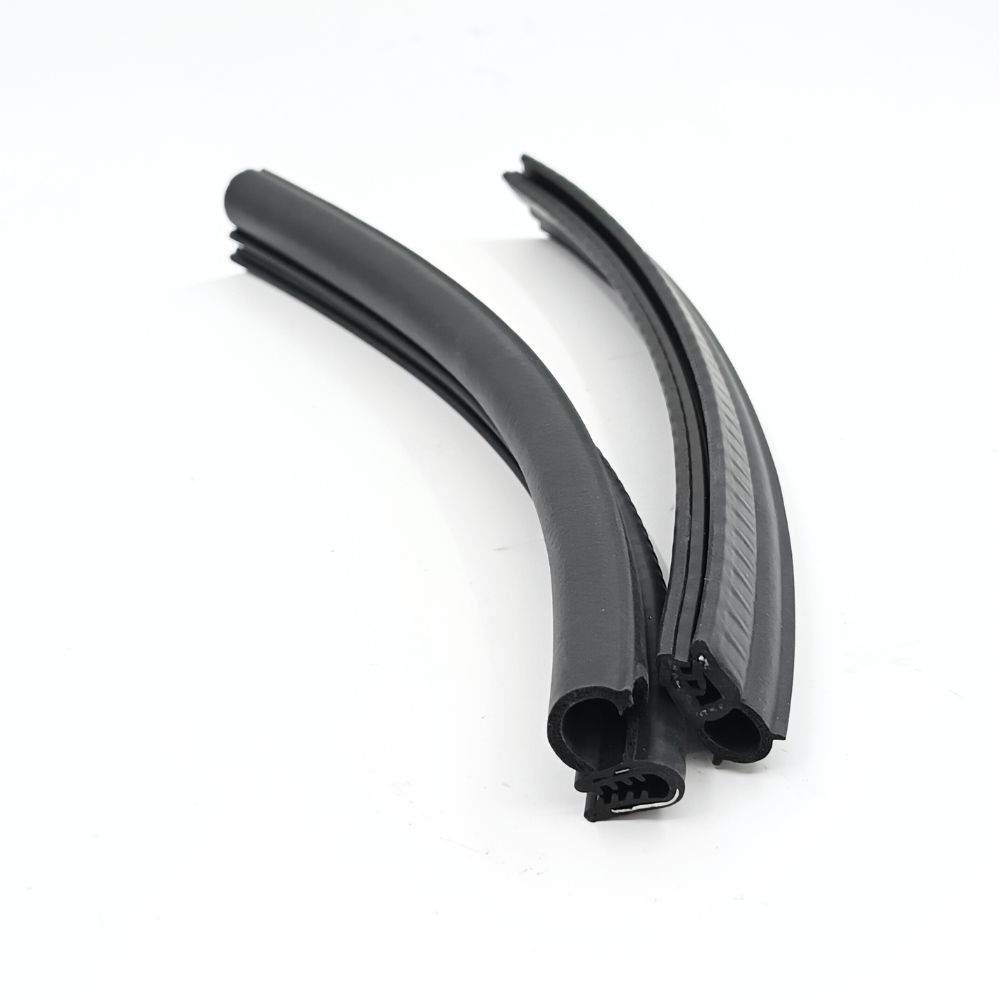
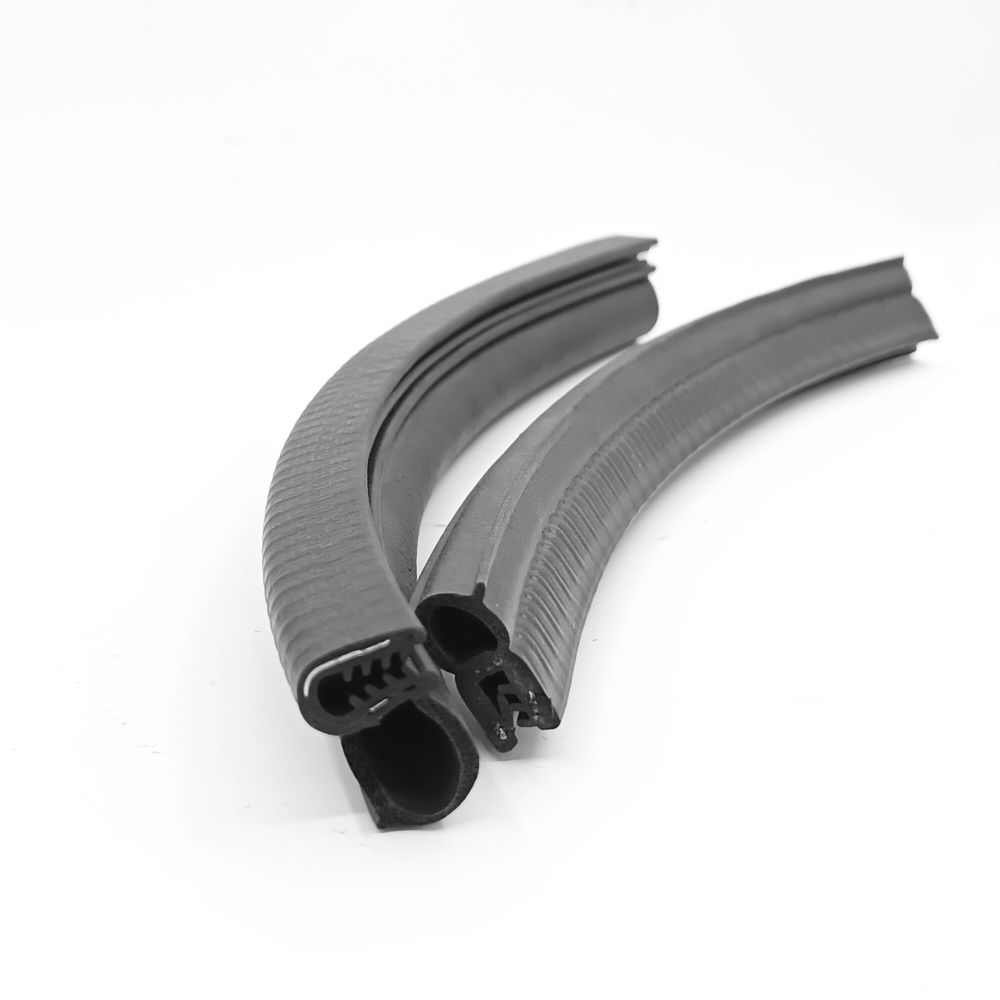
If you need anything, please contact us,Customized different size/color/shape rubber/pvc products, making molds depending on your samples or drawings. FREE SAMPLES can be sent for your evaluation!
Over 20 years Professional Experience in Auto Accessories Field




 IPv6 network supported