
What Are You Looking For?

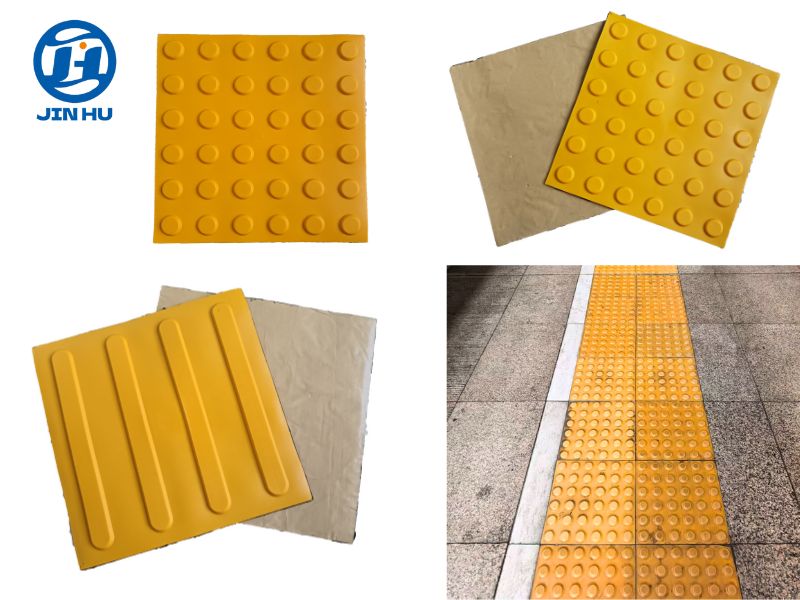
Tactile paving (also known as tactile indicators or blind path tiles) is an essential accessibility solution designed to help visually impaired pedestrians navigate public spaces safely and independently. From metro stations to sidewalks, choosing the right type of tactile paving ensures durability, safety, and compliance with accessibility standards.
In this guide, we’ll explain the two main types of tactile paving—PVC/TPE tactile tiles for indoor use and ceramic glazed tactile bricks for outdoor applications—and how to select the best option for your project.
Tactile paving consists of textured surface indicators installed on walking paths to provide guidance and warning signals. These surfaces are typically divided into:
They are widely used in:
PVC (Polyvinyl Chloride) and TPE (Thermoplastic Elastomer) tactile tiles are flexible, durable, and easy to install, making them perfect for indoor environments.
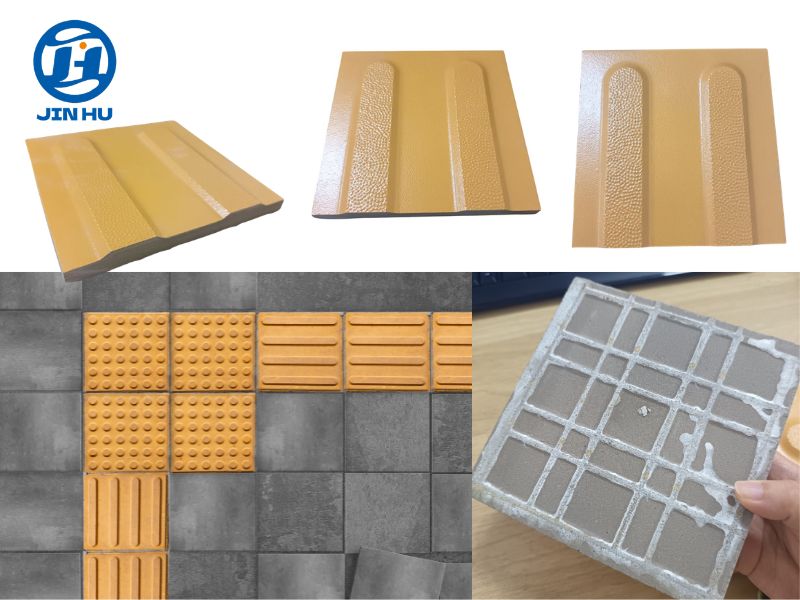
Ceramic tactile paving is made from high-strength glazed porcelain, specifically engineered for outdoor sidewalks and pedestrian paths.
| Feature | PVC/TPE Tactile Tiles | Ceramic Tactile Bricks |
|---|---|---|
| Application | Indoor | Outdoor |
| Installation | Adhesive (easy) | Cement/mortar (permanent) |
| Surface Compatibility | Tiles, smooth floors | Concrete, sidewalks |
| Flexibility | High | Low |
| Durability | Medium-High | Very High |
| Cost | Lower | Higher |
As a professional manufacturer, we offer:
Whether you need a quick indoor installation or a long-term outdoor solution, we provide the right tactile paving products for your project.
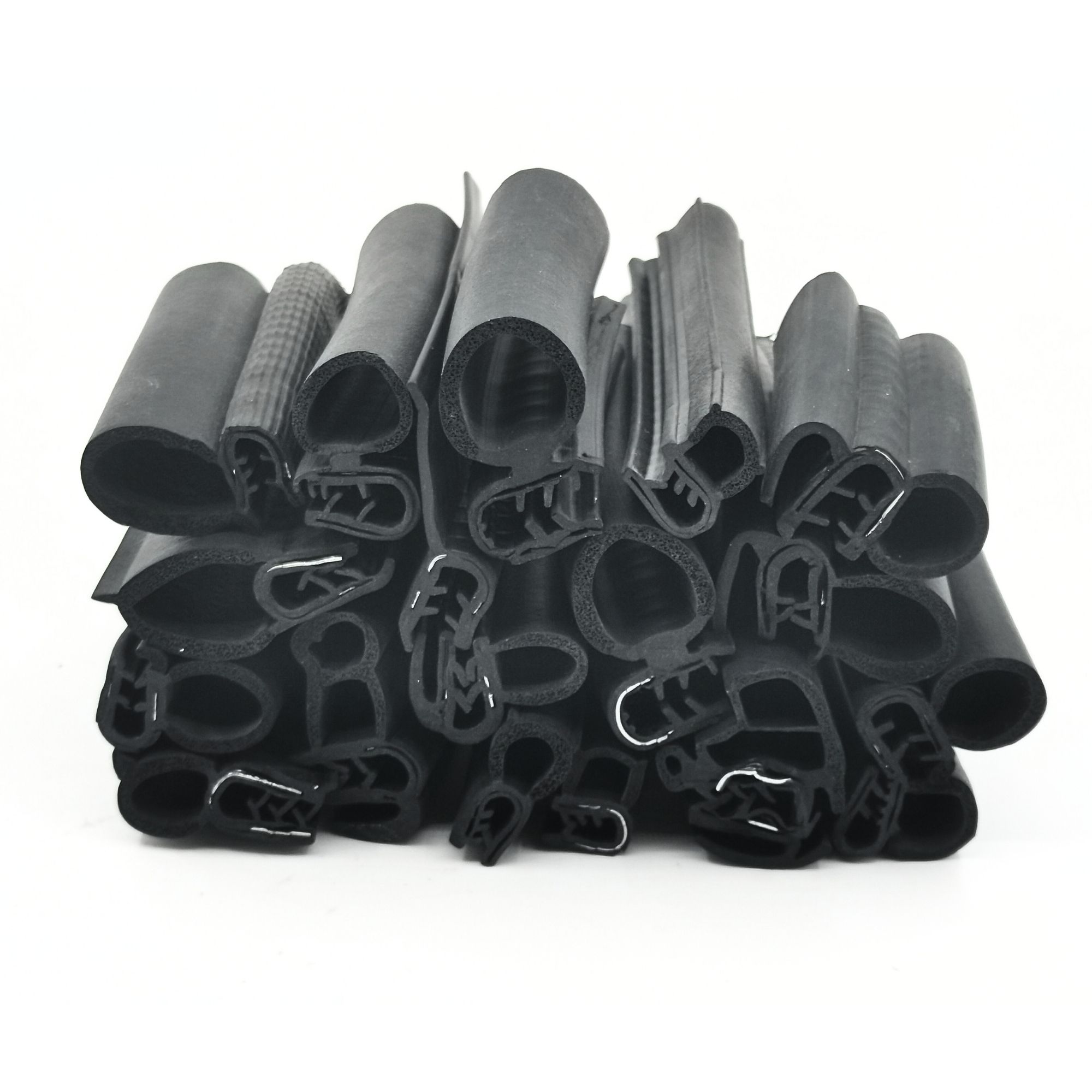
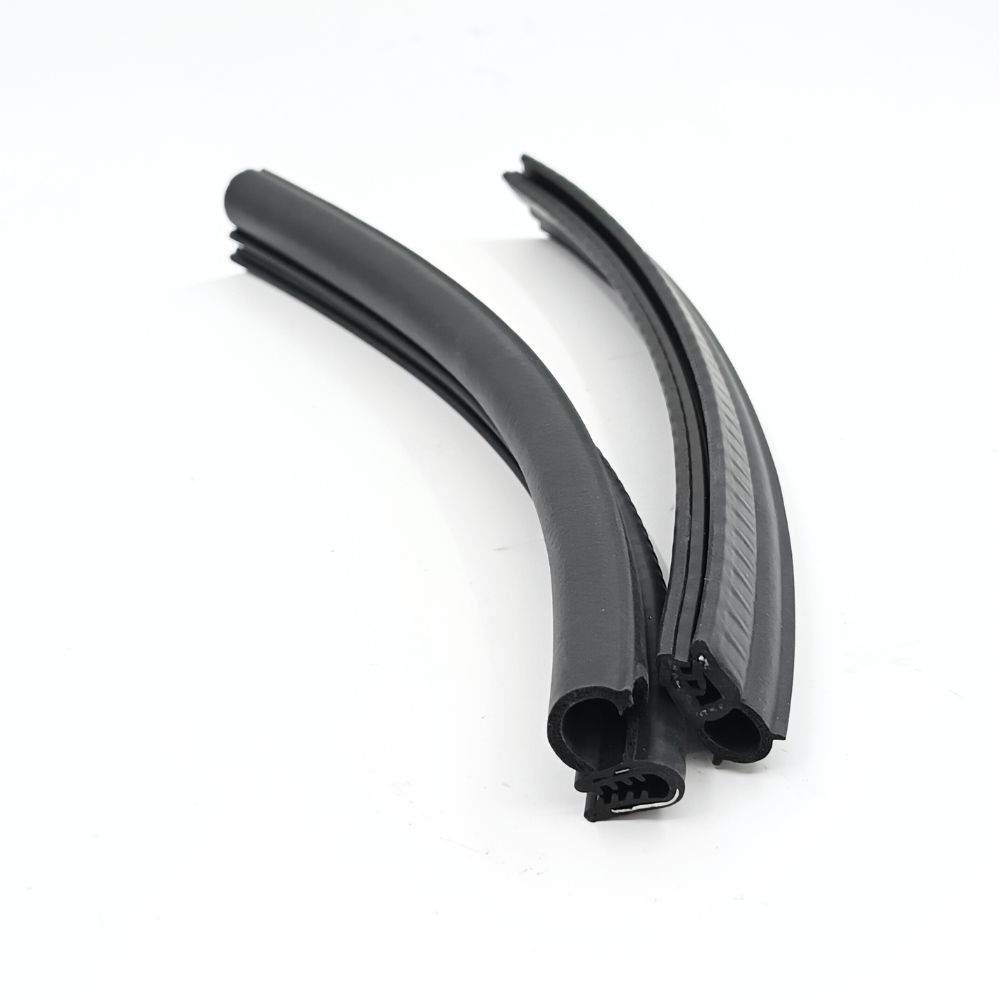
If you need anything, please contact us,Customized different size/color/shape rubber/pvc products, making molds depending on your samples or drawings. FREE SAMPLES can be sent for your evaluation!
Over 20 years Professional Experience in Auto Accessories Field




 IPv6 network supported