
What Are You Looking For?
Published: September 2026
The global rubber industry is entering an important period as natural rubber supply, raw material prices, weather conditions and automotive demand continue to influence the market.
In September 2026, natural rubber prices have shown renewed strength. Market participants are paying close attention to supply conditions in major producing countries, while demand from the automotive and tire industries remains an important factor supporting the rubber market.
For manufacturers, distributors and international buyers of rubber products, understanding these market developments can help with purchasing plans, inventory management and long-term sourcing decisions.
One of the most important developments in the rubber market this month is the increase in natural rubber prices.
On September 24, 2026, the North Sumatra branch of the Indonesian Rubber Association (GAPKINDO) reported that the SICOM TSR20 contract for October reached around 252.3 US cents per kilogram, while the most-active January 2027 RSS3 contract on the Shanghai Futures Exchange reached approximately CNY 19,425 per metric ton.
The market has been supported by concerns about global rubber supply and weather-related risks, including increasing attention to possible El Niño effects.
Earlier in September, Bernama also reported that declining Indonesian rubber supply was supporting regional rubber markets. Indonesian natural rubber exports were reported to have fallen 21% year over year during the first seven months of 2026, according to data cited by the report.
These developments demonstrate why natural rubber prices can change significantly according to seasonal production, weather and supply conditions.
According to the Association of Natural Rubber Producing Countries (ANRPC), global natural rubber production was estimated at 1.321 million tons in July 2026, approximately 5.15% lower than the 1.393 million tons recorded in July 2025.
At the same time, global natural rubber demand for 2026 is forecast to reach approximately 15.356 million tons, representing modest growth compared with 2025.
China remains one of the major consumers of natural rubber, while demand is also supported by automotive and electric vehicle-related applications.
This combination of slower production growth and continued demand means that raw material costs will remain an important consideration for rubber manufacturers and buyers.
Rubber is used in a wide range of industrial products, including:
Rubber hoses
Silicone hoses
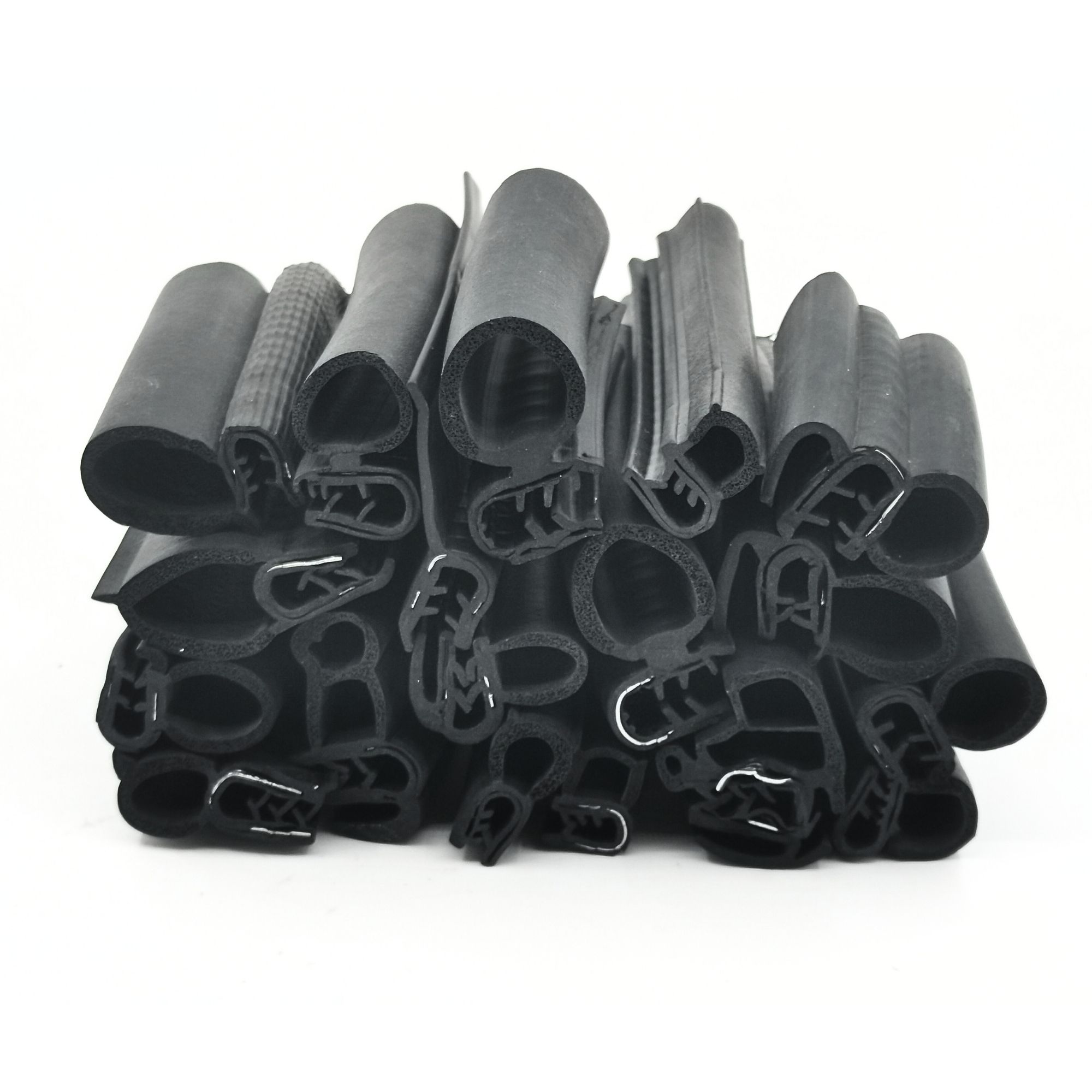
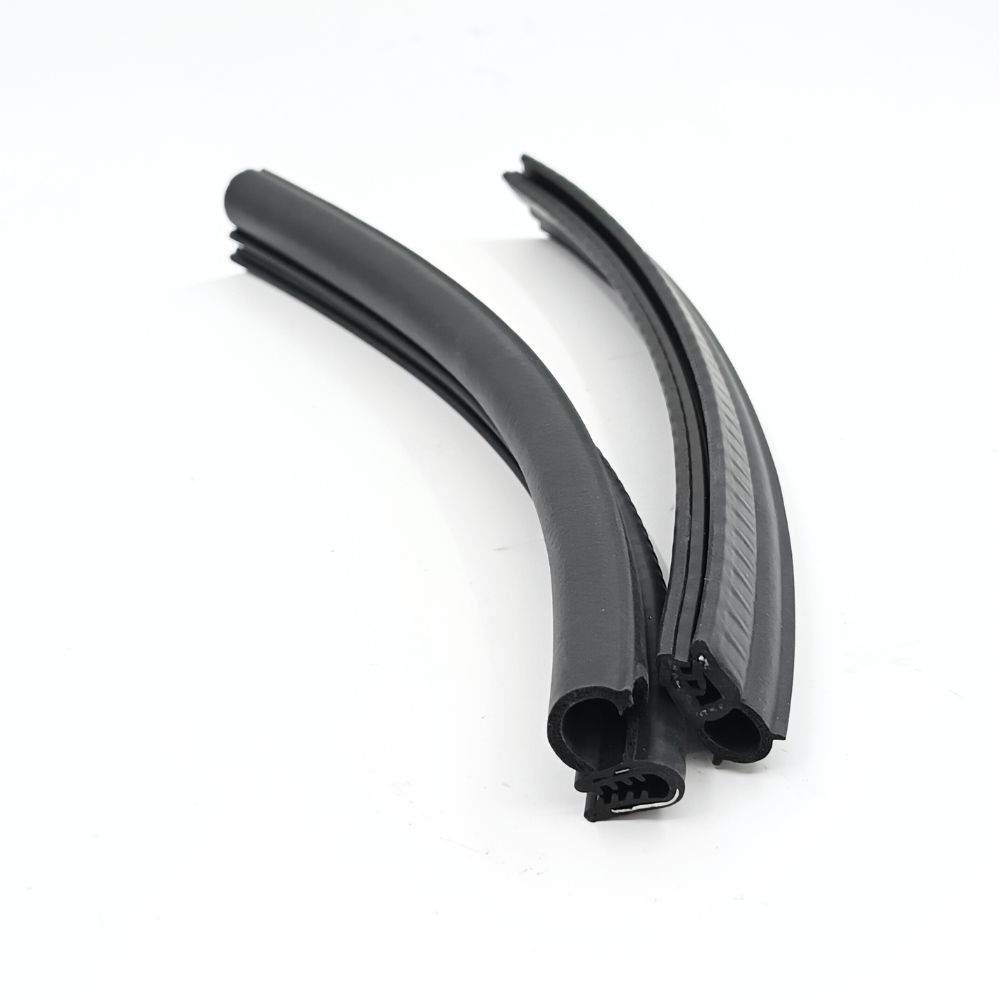
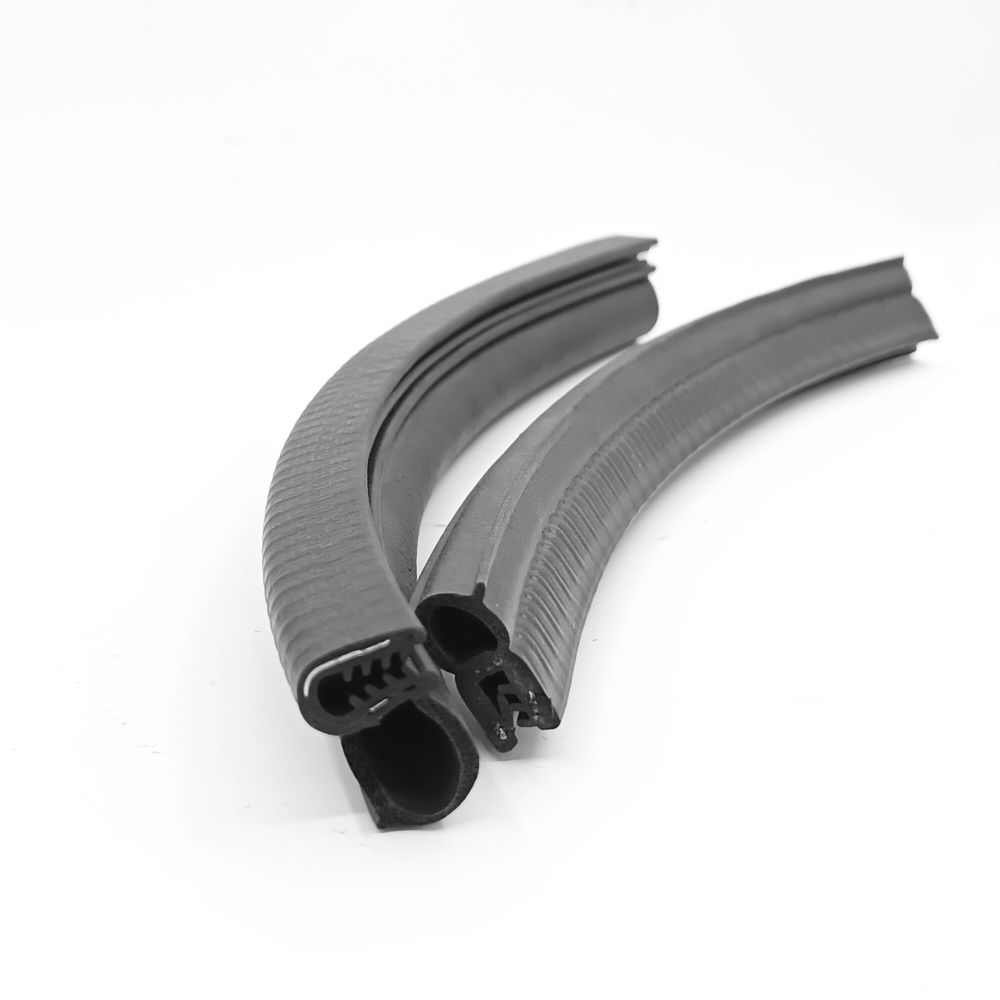
EPDM sealing strips
NBR rubber products
Automotive seals
Door and window seals
Industrial gaskets
Vibration isolation products
Automotive components
Construction products
Although not every rubber product uses natural rubber, changes in the broader rubber and petrochemical markets can influence production costs, material selection and purchasing decisions.
For international buyers, monitoring raw material trends can therefore be useful when planning larger orders.
The automotive and tire industries remain major downstream markets for rubber materials.
Recent industry data indicates that tire manufacturers are continuing to deal with higher raw material costs. In July 2026, JK Tyre said raw material costs had increased by more than 20%, with natural rubber, synthetic rubber, carbon black and steel accounting for a significant portion of tire production costs.
Other tire manufacturers have also adjusted prices in response to raw material cost pressures.
For rubber component suppliers, this environment makes material efficiency, stable quality and reliable supply increasingly important.
Natural rubber is not the only important material in the rubber industry.
Synthetic rubber—including materials such as SBR, NBR and other specialty elastomers—is closely connected to the petrochemical industry.
Recent market data from China indicates that synthetic rubber prices have received short-term support from relatively low inventories and fluctuations in butadiene costs. However, weak downstream demand may continue to limit price increases over the medium and long term.
This means that buyers should consider both natural rubber and synthetic rubber market conditions when evaluating long-term sourcing costs.
Another major trend in the global rubber industry is sustainability and supply-chain transparency.
Tire manufacturers and rubber companies are increasingly focusing on responsible sourcing, traceability and recycled materials.
Recent industry developments include projects involving recovered carbon black, rubber recycling and more sustainable natural rubber supply chains. The U.S. Tire Manufacturers Association's September 28 industry update, for example, highlighted developments in tire-to-tire circularity and recovered carbon black.
For international buyers, sustainability requirements may increasingly become part of supplier evaluation, particularly for customers serving European and other highly regulated markets.
For importers, wholesalers and distributors, current market conditions suggest several areas worth paying attention to.
When raw material prices become more volatile, delaying purchasing decisions can make budgeting more difficult.
For products with regular consumption, buyers may benefit from discussing purchasing schedules with suppliers in advance.
Not every application requires the same rubber material.
For example:
EPDM is commonly used where weather and ozone resistance are important.
NBR is often selected for applications requiring better oil resistance.
Silicone is suitable for applications requiring high-temperature performance and flexibility.
Other rubber compounds may be selected according to specific mechanical or environmental requirements.
Choosing the correct material can be more important than simply selecting the lowest initial price.
When rubber prices fluctuate, a reliable supplier can help buyers manage changes in material costs, production schedules and inventory.
For B2B buyers, supplier evaluation should include:
Factory production capability
Material quality
Product consistency
MOQ
Lead time
Packaging
Quality inspection
Customization capability
Export experience
Standard rubber products may not always match the requirements of a specific application.
Custom rubber hoses and sealing strips can be produced according to drawings, samples or specified dimensions.
Customization may include:
Inner diameter
Outer diameter
Wall thickness
Length
Rubber material
Hardness
Profile
Color
Logo
Adhesive backing
Packaging
For manufacturers and distributors, customized specifications can also help differentiate products in their local markets.
The rubber market in 2026 is being influenced by several factors at the same time.
The most important include:
Natural rubber supply: Production levels in Southeast Asia and seasonal weather conditions remain important to global supply.
Raw material prices: Natural rubber, synthetic rubber, crude oil and chemical feedstocks can all influence manufacturing costs.
Automotive demand: Tires, hoses, seals and other automotive components continue to represent major applications for rubber.
Electric vehicles: EV production is creating new requirements for hoses, seals, thermal-management components and other rubber and polymer products.
Sustainability: Recycling, responsible sourcing and supply-chain traceability are becoming increasingly important in international markets.
Global trade: Freight costs, tariffs, regulations and supply-chain conditions can affect the final landed cost for international buyers.
Therefore, rubber buyers should not evaluate suppliers based on price alone. Material selection, product consistency, production capacity and delivery reliability are also important factors.
As a professional rubber products manufacturer in China, we supply customized rubber and silicone products for international distributors, wholesalers and industrial customers.
Our product range includes:
Silicone hoses
EPDM rubber hoses
NBR rubber hoses
EPDM sealing strips
PVC sealing strips
Silicone sealing strips
Automotive sealing products
Industrial rubber sealing products
We support customized dimensions and specifications according to customer drawings, samples and application requirements.
If you are sourcing rubber hoses or sealing strips for wholesale or industrial applications, you can send us your product drawing, sample, dimensions and required quantity.
Our team can evaluate the specifications and provide a suitable factory quotation.
Natural rubber prices have shown renewed strength in September 2026, with recent market movements influenced by supply concerns and weather risks. However, rubber prices can change quickly, so buyers should check current market quotations before placing large orders.
Major factors include natural rubber production, weather, seasonal tapping conditions, crude oil prices, synthetic rubber costs, automotive demand, inventories, currency movements and global trade conditions.
Southeast Asian countries are major producers of natural rubber, with Thailand, Indonesia and Vietnam among the key producing countries.
No. Natural rubber is primarily produced from latex obtained from rubber trees, while synthetic rubber is manufactured through chemical processes using petrochemical-based feedstocks. Different rubber types have different performance characteristics.
Yes. Rubber hoses, sealing strips and other rubber products can often be customized according to dimensions, material, hardness, profile, color, length and application requirements.
Buyers can monitor raw material trends, plan orders in advance, compare suitable materials, maintain communication with suppliers and establish stable long-term purchasing arrangements.
The global rubber industry is experiencing a period of changing supply conditions, raw material costs and downstream demand.
In September 2026, natural rubber markets have received support from supply concerns and weather risks, while global demand remains connected to automotive, tire and industrial applications.
For international buyers, the current market highlights the importance of stable supply, appropriate material selection, consistent quality and flexible customization.
Working with an experienced rubber manufacturer can help importers and distributors better manage product specifications, production requirements and purchasing schedules.
Looking for rubber hoses or sealing strips from China? Send us your drawings, samples or specifications for a customized quotation.
If you need anything, please contact us,Customized different size/color/shape rubber/pvc products, making molds depending on your samples or drawings. FREE SAMPLES can be sent for your evaluation!
Over 20 years Professional Experience in Auto Accessories Field





 IPv6 network supported